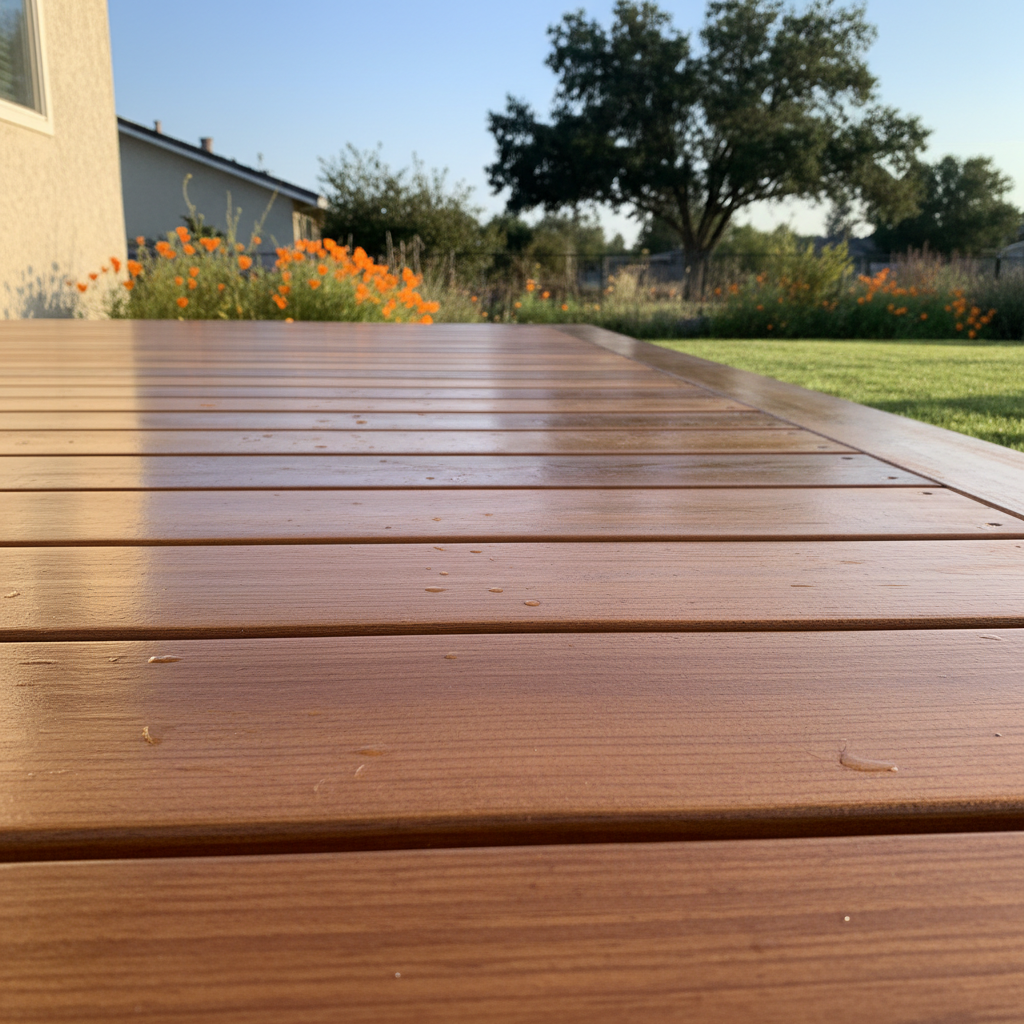
Alright, let's talk decks. I've been building and maintaining outdoor spaces here in Modesto for years, and I hear the same questions pop up again and again when it comes to keeping your deck looking good and lasting long. Painting versus staining, how often, what products to use – you name it. So, I figured it's time to lay it all out there, straight from my experience. No fluff, just the facts you need to make smart choices for your home.
Should I paint or stain my deck? What's the real difference?
This is probably the most common question I get. The short answer is: it depends on what you're trying to achieve and the condition of your deck. Stains, especially semi-transparent or transparent ones, let the natural wood grain show through. They penetrate the wood, offering protection from UV rays and moisture while highlighting the beauty of the timber. Think of it like a tinted sunscreen for your deck.
Paints, on the other hand, sit on top of the wood, creating an opaque layer. They completely cover the wood grain. If your deck is older, has some blemishes, or you just want a uniform color that matches your house, paint can be a great option. It offers a thicker, more durable surface coating, but it can also be more prone to chipping and peeling if not prepped right. For a brand new deck, I almost always lean towards staining to really let that fresh wood shine. If you've got an older deck that's seen better days, painting might be the facelift it needs.
How often do I really need to re-stain or repaint my deck in Modesto?
This isn't a one-size-fits-all answer, especially with our Modesto weather. You've got those hot, dry summers that bake everything, followed by some decent winter rains. That's tough on wood. Generally, a good quality stain will last you anywhere from 2 to 4 years. Paints can go a bit longer, maybe 3 to 7 years, but again, it's all about the prep and the product quality. I tell folks to keep an eye on it. If you see the color fading, water isn't beading up on the surface anymore, or you're starting to get some mildew, it's probably time. Don't wait until it's peeling everywhere; that just makes the prep work a nightmare.
What kind of prep work is involved before staining or painting? Can I skip steps?
Absolutely not. Skipping prep is the quickest way to waste your money and time. Think of it like building a house – you wouldn't skimp on the foundation, right? For decks, the foundation is the clean, dry, sound surface. First, you've got to clean it thoroughly. I mean really clean it. I use a good deck cleaner, sometimes even a power washer on a low setting, being super careful not to damage the wood. You'd be amazed at the dirt, grime, and mildew that builds up. Then, you need to sand any rough spots or areas where old finishes are peeling. If you're going from paint to stain, or vice versa, you might need to strip the old finish completely. After cleaning, you've got to let it dry completely. And I mean completely. If you stain or paint over damp wood, you're just asking for trouble down the line with peeling and poor adhesion. This whole process can take a few days, especially if you're dealing with a larger deck or humid conditions, but it's non-negotiable for a lasting finish.
Are there 'eco-friendly' or low-VOC options that actually work well?
Yeah, definitely. The industry's come a long way. Years ago, if you wanted something low-VOC, you often sacrificed durability. Not anymore. There are some fantastic water-based stains and paints out there now that perform just as well, if not better, than their oil-based counterparts, and they're much better for the environment and your health. They clean up with water, too, which is a huge bonus. I've used several brands that offer excellent protection and color retention without all the harsh fumes. When you're picking products, just make sure to check the VOC levels and read reviews specifically from contractors or DIYers who've used them in similar climates. Don't just grab the cheapest thing off the shelf.
My deck is pressure-treated wood. Does that change anything for staining or painting?
It sure does. Pressure-treated lumber is great for durability and resisting rot, but it usually comes from the mill pretty wet. You absolutely cannot stain or paint it right away. If you do, the finish won't adhere properly, and you'll end up with peeling and bubbling. You need to let it dry out, or 'weather,' for at least 6 months, sometimes even a full year, depending on the wood and the weather. A good test is to sprinkle some water on it. If it beads up, it's still too wet. If it soaks in, you're probably good to go. Once it's dry, treat it like any other wood deck for prep and application. Just don't rush that drying process.
What's the deal with Modesto's hard water and deck cleaning?
Ah, our hard water. It's a real thing, isn't it? When you're cleaning your deck, especially if you're using a power washer or just rinsing with a hose, our hard water can leave mineral deposits behind. These deposits can sometimes interfere with how a stain or paint adheres, or even leave unsightly white spots. After cleaning, I always recommend a thorough rinse, and if you're really concerned or have had issues before, a light acid wash (like a diluted oxalic acid brightener) can help neutralize any mineral residue and brighten the wood. Just make sure to follow the product instructions carefully and rinse, rinse, rinse again. It's an extra step, but it can make a difference in how your finish looks and lasts, especially in areas like Village One where the water can be particularly stubborn.
Can I change my deck's color drastically, like from dark stain to light paint?
You can, but it's a bigger job. If you're going from a dark stain to a light paint, you'll need to strip the old stain completely. Painting over a dark stain directly, even with multiple coats, can lead to bleed-through, where the dark color subtly shows through the new light paint. It's frustrating and looks bad. If you're going from a dark paint to a light paint, you'll still need to clean and sand thoroughly, and you'll likely need a good primer designed for exterior use to ensure good adhesion and color coverage. Going from a dark stain to a light stain is even harder, as stains are designed to penetrate. You'd essentially need to sand down to bare wood, which is a massive undertaking. So, while it's possible, be prepared for significant prep work if you're making a big color jump.
Look, maintaining your deck isn't rocket science, but it does take some elbow grease and knowing what you're doing. If you've got more questions or just want a pro to take a look, give us a call at Elite Deck Solutions. We're always happy to help our neighbors here in Modesto keep their outdoor spaces beautiful and functional.